
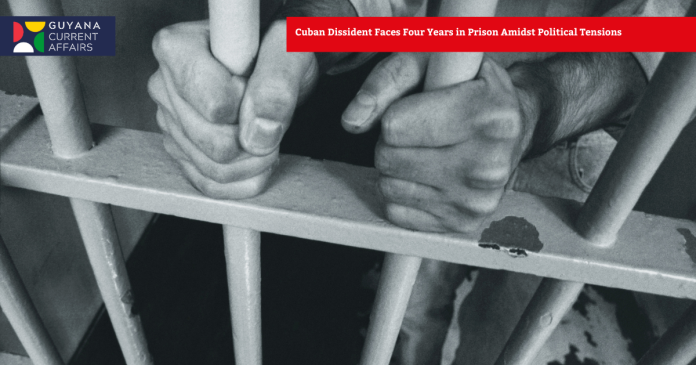
In a move that has sparked widespread criticism, a leading Cuban dissident has been sentenced to four years in prison, reigniting concerns about political repression on the island. José Daniel Ferrer, the leader of the Patriotic Union of Cuba, one of the country’s largest opposition groups, was ordered to serve the remaining term of his sentence for assault in prison. This decision comes after Ferrer’s right to home detention was revoked due to alleged non-compliance with the terms of his release.
Ferrer was initially arrested in October 2019 on charges of abduction and assault, which he denied. Despite international pressure, he was convicted in February 2020 and received a four-and-a-half-year prison sentence, later commuted to house arrest. However, Ferrer’s attempt to join anti-government protests in July led to his re-arrest and the revocation of his house arrest.
Critics argue that the Cuban government uses common crimes as a pretext to silence political opponents, claiming that Ferrer’s imprisonment is politically motivated. His family and rights activists express concern over his health and well-being, as he has been held incommunicado since his re-arrest.
This case highlights the ongoing tensions between the Cuban government and its critics, with hundreds of protesters and activists remaining in detention. The situation is further complicated by international relations, including U.S. sanctions and a recent Vatican-brokered deal that led to the release of over 500 prisoners in Cuba. However, many of those released were not political prisoners, sparking questions about the true nature of the government’s actions.
As Cuba continues to grapple with economic challenges and political dissent, the imprisonment of figures like Ferrer underscores the country’s restrictive approach to opposition and free speech. The international community remains vigilant, calling for greater transparency and respect for human rights in the face of mounting repression.