
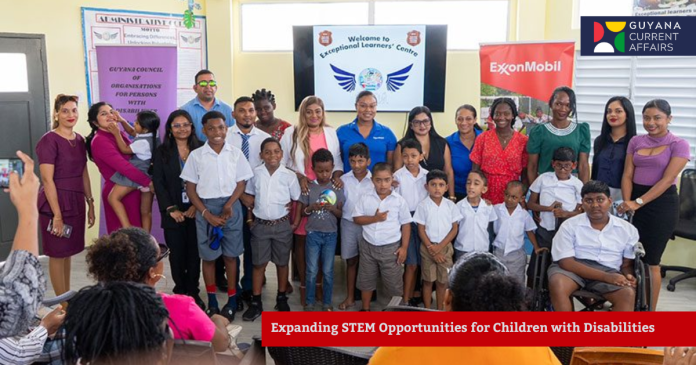
In a progressive move to foster inclusivity in education, initiatives are underway to provide children with disabilities greater access to Science, Technology, Engineering, and Mathematics (STEM) education. These efforts aim to break down barriers and empower students with special needs to thrive in fields that are critical to innovation and societal development.
Globally, organizations and schools are adopting strategies to ensure that STEM learning environments cater to diverse abilities. This includes the integration of adaptive technologies, hands-on learning experiences, and individualized instruction tailored to meet the unique needs of students with disabilities. Such approaches not only enhance engagement but also build confidence and curiosity among young learners.
For instance, programs like STEM Innovation for Inclusion in Early Education (STEMIE) focus on engaging children from birth to age five in foundational STEM learning. By designing inclusive curricula and providing professional development for educators, these initiatives ensure early exposure to STEM concepts for children with disabilities. Similarly, organizations like Tech Kids Unlimited offer neurodiverse students opportunities to develop technology skills in supportive environments, preparing them for future careers in tech.
In Guyana, efforts are being made to address the challenges faced by children with disabilities in accessing quality STEM education. Advocates are calling for increased investment in specialized resources, teacher training, and community outreach programs to create equitable learning opportunities. These measures are essential for bridging gaps and fostering a culture of inclusion.
The push for inclusive STEM education is not just about equity; it is about unlocking potential. By providing accessible pathways into STEM fields, children with disabilities can contribute their unique perspectives and talents to solving complex global challenges. As these initiatives gain momentum, they promise a future where every child has the opportunity to explore, innovate, and succeed in STEM disciplines.