
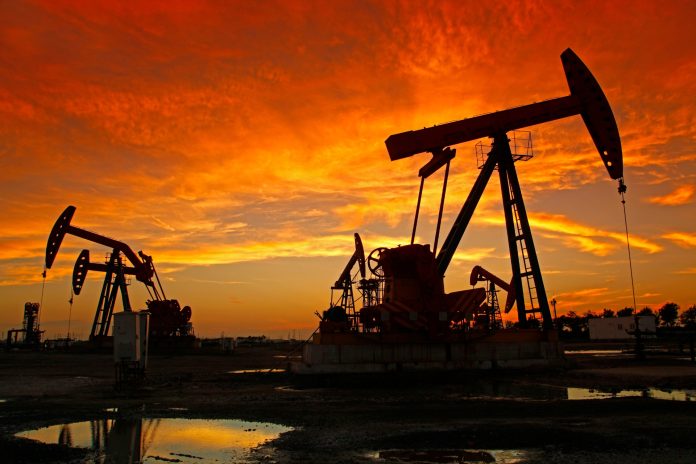
Guyana, a small South American nation, has rapidly emerged as a key player in the global energy market following its massive offshore oil discoveries. The influx of oil revenues is driving unprecedented economic growth, reshaping industries, and raising living standards. However, this transformation comes with challenges, including the need for sustainable policies and economic diversification.
The Discovery of Oil in Guyana
In 2015, ExxonMobil discovered significant oil reserves in Guyana’s Stabroek Block, marking the beginning of the country’s energy revolution. Since then, multiple discoveries have positioned Guyana among the top emerging oil producers globally. With estimated reserves exceeding 11 billion barrels, the nation has attracted major international energy firms, leading to an economic renaissance.
Economic Growth and GDP Surge
Since oil production began in 2019, Guyana’s GDP has skyrocketed. According to the International Monetary Fund (IMF), the country experienced a growth rate of over 60% in 2022, making it the fastest-growing economy in the world. The influx of oil revenues has boosted public spending, foreign direct investments, and infrastructure projects, contributing to economic expansion.
Infrastructure Development and Investments
The newfound wealth is fueling massive infrastructure projects, including road networks, bridges, ports, and energy facilities. Key initiatives include:
- The Gas-to-Energy Project, which aims to provide affordable electricity.
- Expansion of Georgetown’s deepwater port to facilitate trade and exports.
- Housing and urban development to accommodate the growing workforce and population.
These projects are expected to enhance productivity and economic sustainability beyond the oil sector.
Employment and Workforce Expansion
Oil production has generated thousands of direct and indirect jobs across multiple industries, including construction, logistics, and technology. The government is investing in skills training programs to equip the workforce with expertise in oil and gas, engineering, and business management. However, bridging the skills gap remains a challenge, necessitating stronger educational and vocational initiatives.
Challenges and Risks of Oil Dependency
Despite the economic boom, reliance on oil poses significant risks, including:
- Revenue Volatility: Oil prices fluctuate, impacting national income.
- Environmental Concerns: Offshore drilling raises ecological and sustainability challenges.
- Dutch Disease: The over-reliance on oil could weaken other economic sectors.
Mitigating these risks requires strong governance, prudent fiscal policies, and economic diversification efforts.
Government Policies and Revenue Management
The Guyanese government has established a Sovereign Wealth Fund (SWF) to manage oil revenues responsibly. The fund ensures long-term economic stability by:
- Allocating resources for infrastructure, healthcare, and education.
- Implementing fiscal policies to prevent inflation and economic instability.
- Encouraging investment in non-oil sectors such as agriculture, tourism, and manufacturing.
Future Prospects and Diversification
While oil is a key driver of economic growth, diversifying the economy is essential for long-term stability. The government is actively promoting:
- Agriculture: Investing in rice, sugar, and seafood exports.
- Tourism: Leveraging Guyana’s rich biodiversity to attract eco-tourists.
- Renewable Energy: Exploring hydropower and solar initiatives to reduce reliance on fossil fuels.
With strategic planning, Guyana can ensure sustainable growth that benefits future generations.
Key Takeaways
- Guyana’s oil discoveries have propelled its economy to one of the fastest-growing in the world.
- Massive foreign investments are transforming infrastructure and industry sectors.
- The oil boom has led to significant job creation and economic opportunities.
- The government is focusing on revenue management and sustainable policies to ensure long-term growth.
- Diversification beyond oil is crucial to safeguard Guyana’s economic future.
Conclusion
Guyana’s oil boom is reshaping the nation’s economic landscape, bringing prosperity and challenges. While oil revenues are driving infrastructure development, job creation, and GDP growth, careful management and diversification efforts are crucial for long-term stability. By implementing strong governance, sustainable policies, and strategic investments, Guyana can position itself as a model of economic transformation in the 21st century.